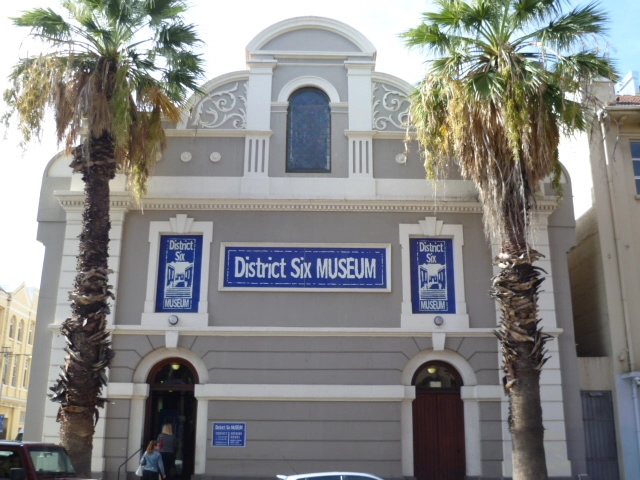
Anyone who has stepped inside the District Six Museum in Cape Town will immediately feel that the system of separation was one of the most profound injustices in the history of the nation. The space is full of commemorative exhibits that force the mind into quiet reflection about the struggles of people who were violently uprooted from their homes and communities.
Forcing them to leave behind their personal belongings and tools of survival, items that now stand as historical testimonies within those museum walls.
When you look closely at the archival photographs and the writings left behind by the victims, noting how they expressed their grief and frustration at such systemic mistreatment, you recognise them immediately as a community that desired peace.
The Sudden Rise of Xenophobic Tensions
Even though the era of institutional separation officially ended just over three decades ago with the historic democratic elections of 1994 and the presidency of Nelson Mandela, a new wave of hostility has rapidly emerged to take its place.
The persistent threat of xenophobic attacks against foreign nationals across various provinces has devastated lives, torn families apart, and destroyed businesses.
Because systemic intervention has been slow and ineffective, these recurring conflicts point to a deeper issue within the social fabric.
Tragically, these aggressive acts target migrants from neighbouring African nations that sacrificed immensely to help dismantle the oppressive systems of the past.
During the struggles of the late twentieth century, many of these neighbouring countries provided financial aid, and in several states, citizens contributed directly out of a shared sense of continental unity. In the spirit of “Ubuntu”.
During the dark years of local turmoil, the very communities they are targeting now were the ones that gave them refuge, alliances, and massive diplomatic support.
That historic solidarity played a decisive role in achieving freedom. To see those former allies hunted today reveals a painful level of societal ingratitude.
Many of these people in displacement came from regions broken by conflict or economic devastation, seeking a sanctuary in what they thought to be an inclusive nation.
Instead, they now live in constant anxiety, fearing for their safety while official responses remain frustratingly passive. The lack of decisive accountability gives perpetrators a sense of impunity, especially when security forces are noticeably absent during outbreaks of unrest.
If the government doesn’t implement urgent diplomatic and local measures, vulnerable communities may find themselves at the absolute brink, especially as distressing documentation of these incidents continues to circulate through digital networks.
A society still healing from its own historic wounds must act decisively to stop any crisis that threatens human dignity. Furthermore, as foreign nations begin to repatriate their citizens, the resulting voids in the professional sectors will inevitably destabilise the local economy over time.
The Psychological Realities Waiting at Home
For migrants considering a return to Nigeria, a different set of challenges emerges.
In a society where personal value is in frequent measurement through material wealth, returnees who have been disconnected from the current social hierarchy often face unexpected judgment from their own people.
This heavy cultural focus on material status is the primary reason why many overseas nationals dread returning home during a crisis without a massive financial cushion to meet societal expectations.
Few situations are more agonising than facing hostility in a host country while simultaneously fearing social isolation if one returns home without substantial wealth.
This severe dilemma has forced many members of the diaspora to endure extreme hardships abroad rather than face the perceived shame of returning empty-handed.
In this context, wealth is entirely subjective, because arriving healthy and alive is a profound form of abundance.
While we work and hope for a permanent end to these regional hostilities, families at home must begin to lower their expectations and actively dismantle the materialistic mindsets that put so much pressure on their relatives abroad.
About The Author