Some months ago, I watched as a young man in his early twenties was wheeled into a radiology unit for an emergency Brain MRI scan. I was among those who held and consoled the mother of the patient, who wept and wailed, drawing the attention of everyone nearby.
The Gripping Reality of Drug Psychosis in Nigeria
“He will be fine,” I said calmly, trying to assure her that the MRI scan itself was painless. According to the mother, her son had recently become addicted to “Kolos,” an addiction that ultimately triggered his sudden mental instability.
Upon further investigation, I discovered that the patient’s clinical history explicitly read: acute onset of mental instability and behavioral changes secondary to substance abuse.
This young patient was just one of the numerous heartbreaking cases of drug psychosis currently ravaging Nigerian society. A staggering number of young people have resorted to dangerous substances, all in a desperate bid to find an escape or get high.
Among the most prevalent substances destroying lives today are Methamphetamine (locally dubbed Mkpulummili), Marijuana, and “Kolos”, which has rapidly become the most popular and devastating among them.
Kolos, a colloquial short form for “Colorado,” is a cheap, synthetic, and highly toxic cannabinoid drug that is tearing through the youth demographic. Unlike natural elements, these synthetic strains are laced with unpredictable chemicals that warp brain chemistry almost instantly.
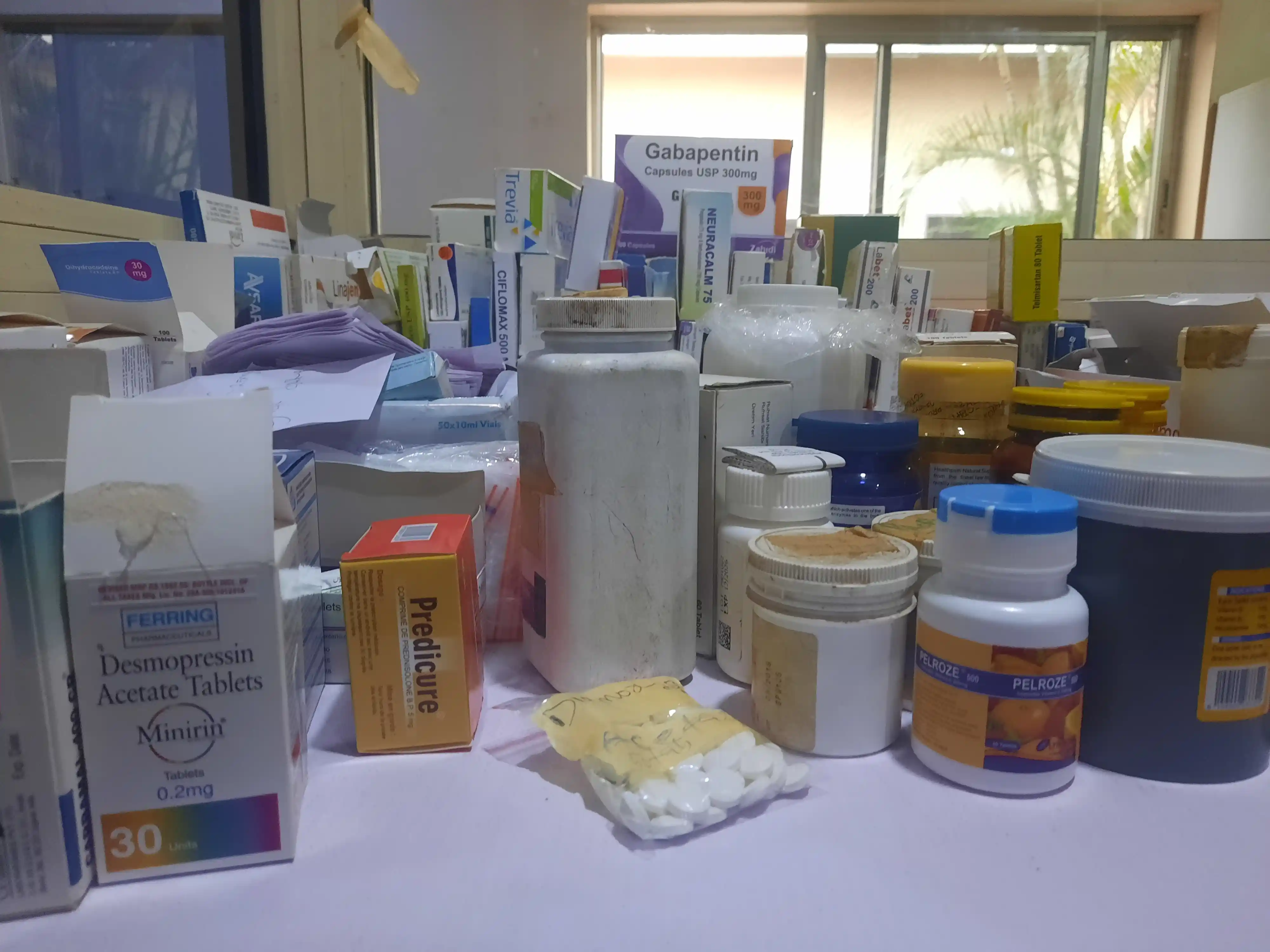
The National Agency for Food and Drug Administration Control (NAFDAC) defines drug abuse as the excessive and persistent self-administration of a drug without regard for medically or culturally accepted patterns. Substance abuse spans various medical classifications, including central nervous system stimulants, central nervous system depressants, opioids, hallucinogens, inhalants, and synthetic cannabinoids.
Sadly, modern African society is grappling with the severe abuse of substances across every single one of these categories.
Furthermore, data from the United Nations Office on Drugs and Crime (UNODC) continuously highlights how escalating drug abuse is rapidly dismantling and destroying the surging youth population across the African continent.
As the abuse of these drugs grows unchecked, the negative impacts on our collective society grow exponentially heavier.
The Epidemic of Mental Health and Psychosis
First and foremost, this crisis has birthed a severe mental health epidemic, perfectly mirrored by the young man wheeled into the radiology unit. Synthetic cannabinoids like Kolos do not just offer a temporary high; they fundamentally alter neural pathways. The result is a sharp rise in drug-induced schizophrenia, permanent anxiety disorders, and violent behavioral shifts that overstretch our already fragile psychiatric healthcare facilities.
A Compounding Public Health Crisis
Beyond mental health, the crisis has evolved into a full-scale public health emergency. Because these synthetic drugs are manufactured in unregulated, clandestine environments, users are unknowingly ingesting heavy toxins. This leads to acute organ failure, respiratory distress, and cardiovascular complications, filling emergency rooms with young citizens who should otherwise be in the prime of their academic or professional lives.
The Erosion of the African Value System
Finally, the plague of addiction has struck a devastating blow to the traditional African value system. Communal living, mutual respect, productivity, and family cohesion are being systematically replaced by the desperation of dependency. When young minds are captured by addiction, the breakdown of family structures quickly follows, leading to an increase in petty crime, domestic instability, and a loss of the cultural bedrock that holds our communities together.
A Collective Path Forward
The multifaceted effects of drug abuse require a multi-layered response. The responsibility of curbing this cankerworm cannot be left to a single entity; it rests squarely on the shoulders of everyone.
- The Role of the Family: Families must act as the primary shield, fostering open conversations to educate their children about the grim realities of substance abuse before external peer pressure takes over.
- Government and Law Enforcement: The government must enforce proactive strategies through dedicated regulatory agencies. We must aggressively dismantle the networks responsible for the production, importation, and distribution of these illicit substances.
- Strict Judicial Deterrence: Punitive measures must be strictly enforced not just on the vulnerable users, but heavily on the predatory dealers and traffickers who profit off the destruction of human lives.
- Public Sensitization: Educational institutions, religious bodies, and civil organizations must host continuous seminars and symposiums. Only through relentless public awareness can we strip away the false glamour of drugs and inform the public of their true, devastating costs.
Saving the future of our society requires us to look at this crisis directly, speak out, and heal the fabrics currently being eaten away.
About The Author